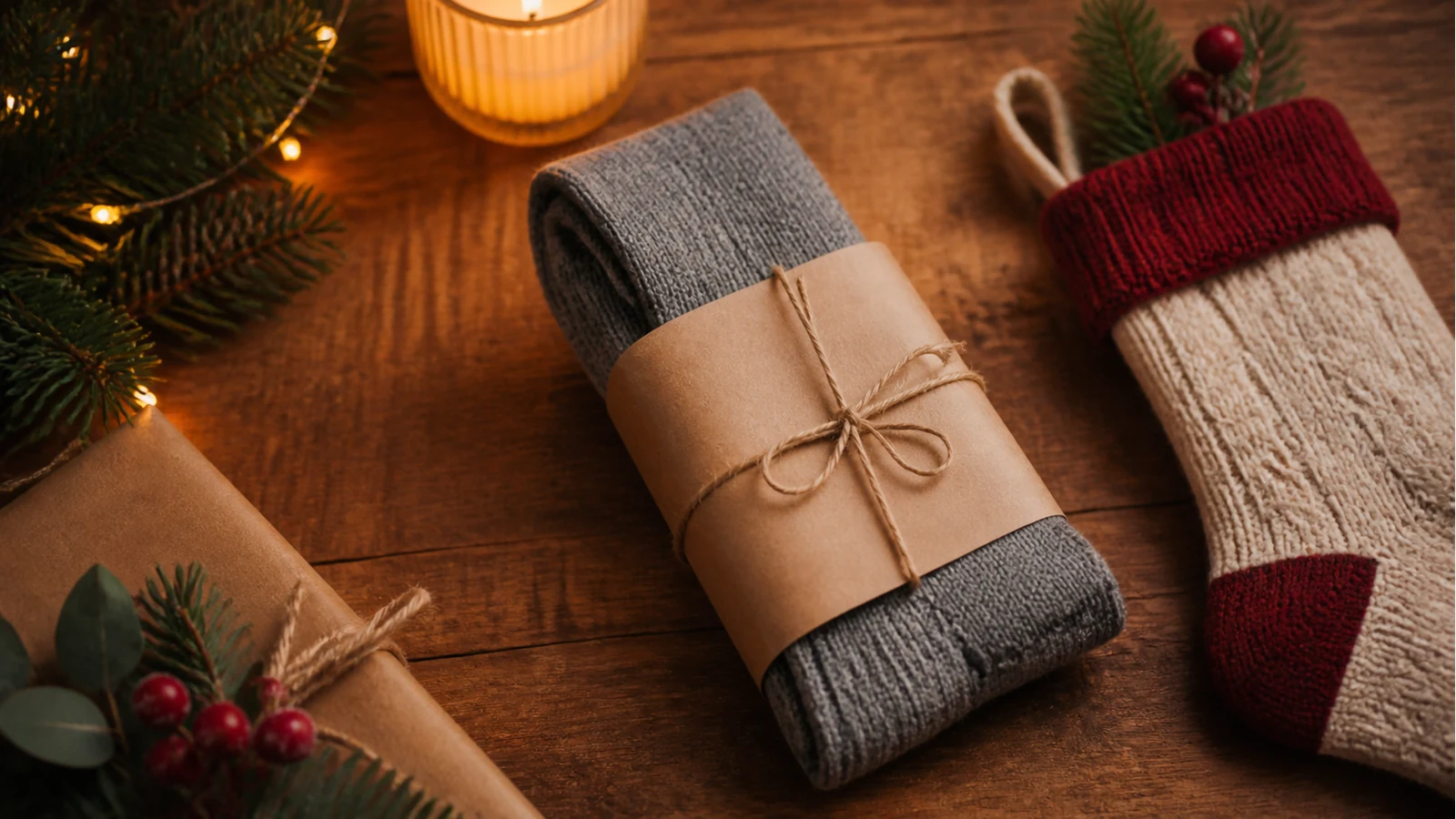
Christmas Stocking Filler Warm Socks UK: A Thoughtful Small-Gift Checklist
Direct answer: warm socks can be a thoughtful Christmas stocking filler when they solve a real comfort problem: cold feet at home, chilly evenings, draughty bedrooms or sofa time. They feel ordinary only when the giver ignores size, floor safety, skin sensitivity and the recipient's actual routine.
A good small gift earns its place by reducing friction. The recipient should be able to understand what it is for, try it without effort, and use it in the same week. The The Sleep Charity keeping-warm-in-bed tips suggests soft bed socks and natural fibres as part of keeping warm in bed, which makes warm socks a practical gift for someone who has already complained about cold feet. That is stronger than buying novelty socks for someone whose style, size and comfort preferences you do not know.
Completed Gift Template
| Recipient | Someone who feels cold at home, works at a desk, reads in bed, or likes relaxed loungewear. |
|---|---|
| Size confidence | Use a stated size range only if you reasonably know it fits; otherwise choose a more adjustable gift. |
| Comfort angle | Soft cuff, breathable warmth, easy pull-on feel. |
| Safety check | If she has smooth floors or is unsteady, include or recommend grip slippers. |
| Message | "For cold evenings at home" is better than a joke about age, circulation or always being cold. |
When Warm Socks Are a Good Gift
They work best for a partner, mum, adult daughter, colleague or friend who has already shown the need. Maybe she keeps a blanket at the desk, talks about icy toes, or wears thick socks around the house. In that case, a warm pair feels observed rather than random. If you choose a neutral colour and simple packaging, it also avoids the disposable feel of novelty Christmas accessories.
What to Check Before Buying
Check the size range, cuff style, floor context and care instructions. If the sock has no grip sole, be honest about that. The HSE health and social care falls guidance lists flooring, footwear and lighting as fall-risk factors, so do not present soft socks as safe walking footwear for every home. If the recipient has sensitive feet, favour softer materials and avoid tight elastic.
Who Should Not Receive This Gift
Choose something else if the recipient needs prescribed compression, diabetic foot advice, exact shoe fit, grippy soles, or a colour you cannot confidently choose. Also avoid warm socks as a Secret Santa gift if the joke would make the person feel old, frail or singled out. A practical gift should still protect dignity.
Stop Conditions
Stop and choose another gift if cold feet are tied to symptoms such as pain, numbness or colour change. The NHS Raynaud’s guidance explains that cold-triggered toe symptoms can be more than ordinary chill, and very bad or worsening symptoms should be discussed with a GP. Also stop if the floor-safety mismatch is obvious: soft no-grip socks for a person with polished floors and poor balance are not the thoughtful option.
Conditional Product Fit
If the recipient fits the stated women's size range, likes neutral cosy loungewear and mainly needs an indoor warming layer, the mid-calf slouch sock detail page is a relevant same-site next step. Keep the gift note about comfort, not medical claims.
How to Make the Gift Feel Considered
The presentation does not need to be elaborate. What matters is that the gift matches something the recipient actually does. For a home worker, write that they are for cold desk mornings. For someone who reads in bed, make the gift about quiet evenings. For a mum who dislikes tight cuffs, choose comfort language rather than age language. The same item can feel thoughtful or careless depending on whether the giver has noticed the real use case.
Because socks touch skin and affect walking, avoid guessing too boldly. A neutral colour, soft cuff and clear indoor purpose are safer than novelty patterns or claims about health benefits. If the recipient has smooth floors, pair the socks with a reminder to use slippers for walking, or choose a grippy alternative instead.
Reader Questions Answered Plainly
The useful test is whether the advice changes what you do next. If your situation is ordinary indoor cold, the next move is small and reversible: change the sock layer, change the walking layer, check the floor, and observe whether comfort improves over several normal uses. If the problem is persistent pain, numbness, colour change, wounds, repeated falls, or a care label you cannot realistically follow, the next move is not another product page. It is a different solution, a safer footwear plan, or appropriate professional advice.
There is also a budget test. A warmer or softer sock is worth considering only if it will be used often enough to matter. If it will sit in a drawer because it is too warm, too delicate, too slippery for the floor, or too hard to wash, the cheaper option is not really cheaper. The better purchase is the one that fits the reader's actual home routine.
For that reason, treat any product mention as conditional. The right answer may be the same socks, a different pair, slippers, a rug, a changed wash habit, or no purchase at all. A good decision leaves the reader knowing what to try today, what to check after trying it, and what evidence would change the decision tomorrow. Write that evidence down if the issue keeps returning, because repeated discomfort is easier to solve when you know the room, floor, sock, surface, lighting, mobility and timing pattern.
Sources used
- The Sleep Charity keeping-warm-in-bed tips
- HSE health and social care falls guidance
- NHS Raynaud’s guidance
When this check is not enough
Do not treat soft lounge socks as medical compression, certified fall prevention, footwear with grip, or a guaranteed way to reduce heating bills.
When to stop and choose another option
Stop and choose proper footwear or medical advice when floors are slippery, balance is uncertain, feet feel numb or painful, circulation is a concern, or the wearer needs non-slip support.
Decision Ladder
The relevant section gives a practical yes/no or compare-and-choose answer in reader language.
Who Should Not Use This As the Main Fix
The relevant section gives a practical yes/no or compare-and-choose answer in reader language.
Decision Ladder
The article uses floor type, dryness, lighting, mobility and grip needs to decide whether socks alone are enough.
Decision Ladder
The article separates comfort shopping from medical or safety signals and tells the reader when to stop treating it as a sock choice.