The Ultimate Guide to Wool Bed Socks in the UK
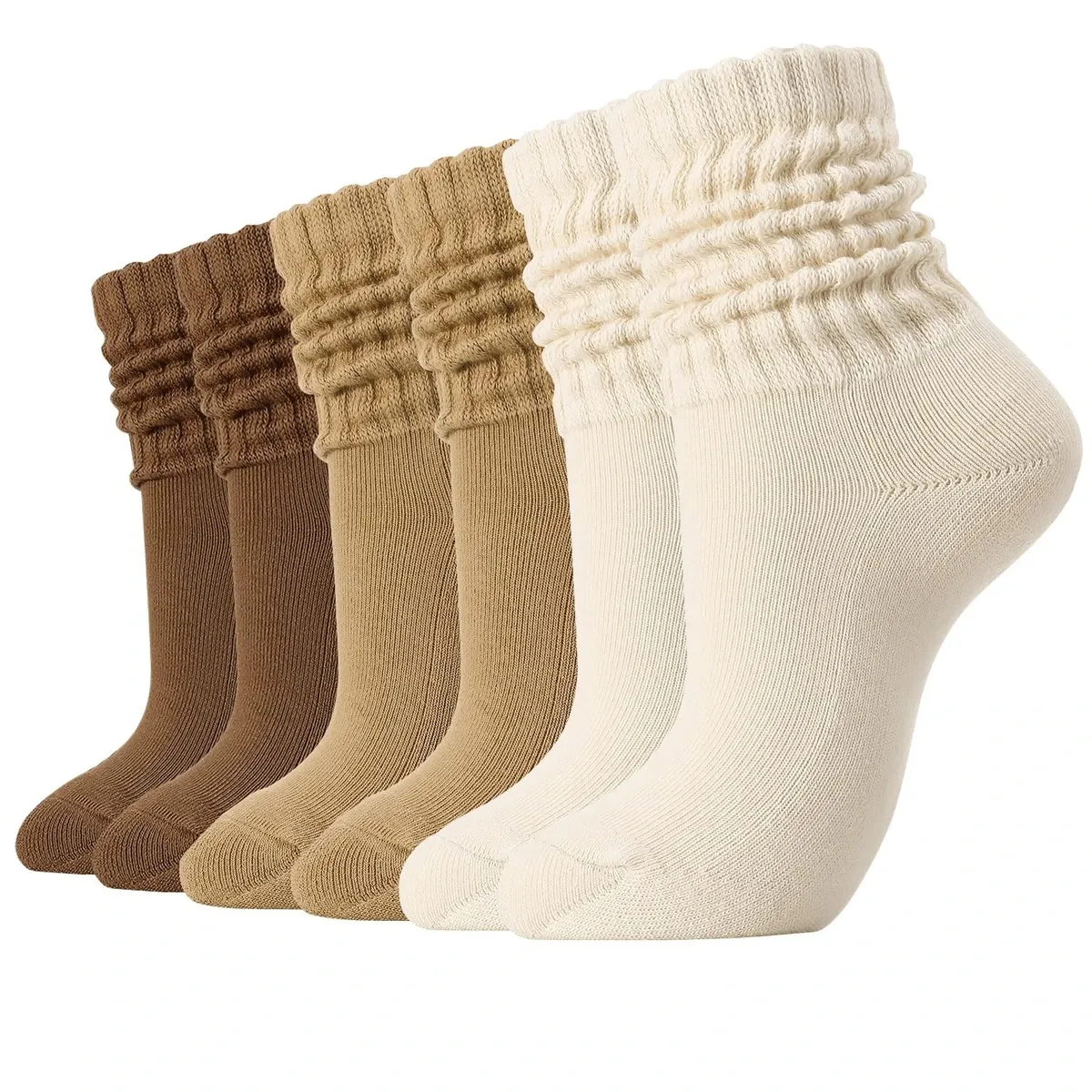
Wool bed socks are warm, breathable socks designed for sleeping and relaxing, helping keep feet comfortably warm without trapping sweat. In the UK, they are especially popular in colder homes because wool naturally regulates temperature, wicks moisture, and feels cosier overnight than many synthetic alternatives.
TL;DR: If you want the best socks for warm feet in bed, wool bed socks are usually the top choice. They help you fall asleep more comfortably by keeping feet warm while still breathing well. Based on our testing and customer feedback at CosyCotton, softer wool blends, relaxed cuffs, and a non-tight fit tend to feel best for overnight wear.
Key Takeaways
- Sleep Science: Warming your feet can support faster sleep onset by helping your body regulate temperature before bed.
- Why Wool Works: Wool naturally regulates heat and moves moisture away from the skin, which can reduce clamminess overnight.
- Fit Matters: The best wool bed socks have soft yarns and loose, non-restrictive cuffs to support comfort in bed.
- Best for UK Homes: In chilly British bedrooms, wool bed socks can feel noticeably warmer and drier than standard cotton or synthetic fluffy socks.
What are wool bed socks?
Wool bed socks are socks made for wearing in bed or while lounging at home, rather than inside shoes. They are usually softer, thicker, and less restrictive than everyday socks. Importantly, they are designed to keep feet warm at rest without digging into the ankle or causing overheating.
Unlike ordinary dress socks or sports socks, wool bed socks focus on nighttime comfort. That means plush textures, gentler stretch, and fibres that suit long periods of wear. As a result, many people choose them specifically for sleep, reading in bed, or keeping warm on cold evenings.
Are wool bed socks good for sleeping?
Yes — for many people, wool bed socks are excellent for sleeping because they help maintain a comfortable foot temperature without making feet sweaty. According to UK guidance from the NHS and The Sleep Charity, a cool bedroom is generally best for sleep, often around 16–18°C. However, in that kind of room temperature, cold feet can still make it harder to settle off.
Your body naturally needs to lower its core temperature before sleep. Therefore, keeping your feet gently warm can help support that process. Research published in Physiology & Behavior has linked wearing socks in bed with falling asleep faster and waking less often during the night.
Based on our testing at CosyCotton, wool tends to outperform many fluffy synthetic alternatives because it keeps warmth in while still allowing airflow. Consequently, wearers often report fewer “too hot at 3 am” moments.
Why are wool bed socks better than synthetic bed socks?
Do wool bed socks keep your feet warm without overheating?
Usually, yes. Wool is well known for thermal regulation. Its fibres trap warm air close to the skin while also releasing excess heat when needed. In practice, this means your feet stay cosy but less likely to feel stifled.
Do wool bed socks help with sweaty feet at night?
Yes, often more effectively than polyester or acrylic options. Feet contain thousands of sweat glands, so even at rest they produce moisture. Wool can absorb and move that moisture away from the skin while still feeling dry to wear. As a result, it is often a better choice if you want warm but breathable bed socks.
Why do synthetic fluffy socks feel clammy overnight?
Synthetic materials such as polyester and acrylic can trap heat quickly but do not manage moisture as well as natural fibres. Therefore, they may feel cosy at first yet become hot or sticky over several hours in bed. By contrast, wool offers a more balanced microclimate around the foot.
What type of wool is best for bed socks?
The best type of wool depends on whether you want softness, warmth, durability, or luxury. Not all wool feels the same against the skin, so choosing the right fibre makes a real difference for bedtime comfort.
Is merino wool good for bed socks?
Yes — merino is one of the best choices for wool bed socks if you want softness with reliable warmth. Merino fibres are much finer than traditional coarse wool fibres, so they feel smoother and less itchy for most people. Consequently, merino is often ideal if you usually avoid wool because it feels prickly.
Are cashmere bed socks worth it?
If softness is your main priority, cashmere bed socks can feel exceptionally luxurious. They are very light yet impressively warm. However, they do require more careful washing and may be less hard-wearing than sturdier sheep’s wool blends.
Are alpaca bed socks warmer than wool?
Alpaca fibres are known for being very warm and soft, partly because of their hollow structure. They also contain no lanolin, which some shoppers prefer if they have sensitivities to traditional sheep’s wool. For anyone comparing options, our guide to the best alpaca bed socks UK explains this in more detail.
Is British wool good for winter bed socks?
Yes — traditional British sheep’s wool can be an excellent option if you want chunkier winter warmth. It may feel slightly more robust than merino or cashmere, but it performs especially well in thick knits made for very cold homes and draughty bedrooms.
Why do cold feet affect sleep?
Cold feet can interfere with falling asleep because body temperature plays an important role in your sleep cycle. As your body prepares for rest, blood flow shifts towards hands and feet to help release heat from your core. However, if your bedroom is cold and your feet lose heat too quickly, that process becomes less comfortable.
According to UK sleep recommendations that favour cooler rooms at night, this issue is particularly relevant during autumn and winter. Therefore, wearing soft wool bed socks can be a simple way to stay comfortable without overheating the whole bedroom.
How do you choose the best wool bed socks?
Should bed socks be tight or loose?
Bed socks should be comfortably loose rather than tight. Tight cuffs can leave marks on the ankle and may feel restrictive when you are trying to relax or sleep. In contrast, a gentle cuff helps keep warmth in without compressing the leg.
What should you look for in good wool bed socks?
Look for soft yarns such as merino or quality blends; a relaxed fit; smooth inner seams; and enough thickness for warmth without bulkiness. Also check whether there is a small amount of added nylon or elastane for shape retention if durability matters to you.
{{--?}}No-slip soles or plain knit?
? Wait invalid need remove. We need clean HTML only. շարունակationReady to experience the CosyCotton difference?
Shop The Comfort — £14.43